River Maps

A couple of years ago I blogged about the River Maps I’d seen in the Murray river town of Echuca in a blog post HERE.

I loved the river maps and posted a few photos. Earlier this year I received an email from the Murray-Darling Basin Authority asking if they could use one of my photos in an article they were preparing on river maps. I agreed, and that article has just been published as River Scrolls HERE.

It’s an interesting article, and a great perspective on these beautiful maps or scrolls, including:

These detailed and precise maps, referred to as river scrolls, were more than mere navigational aids; they were chronicles of the river itself. Drawn on long strips of durable cloth, these scrolls were vital tools for riverboat captains, providing them with the essential information to chart their course through the winding waterways.

It’s nice to see my photo in a new context, and definitely worth a read.

River Scroll

River Maps

Over the last week I spent a few days in the Murray River town of Echuca for a family get together.

According to the paddle steamer captain of The Canberra, which we took at tour on, Echuca was once the third largest port in Australia, after Melbourne and Sydney, in the time before railways came to dominate transportation in inland Australia.

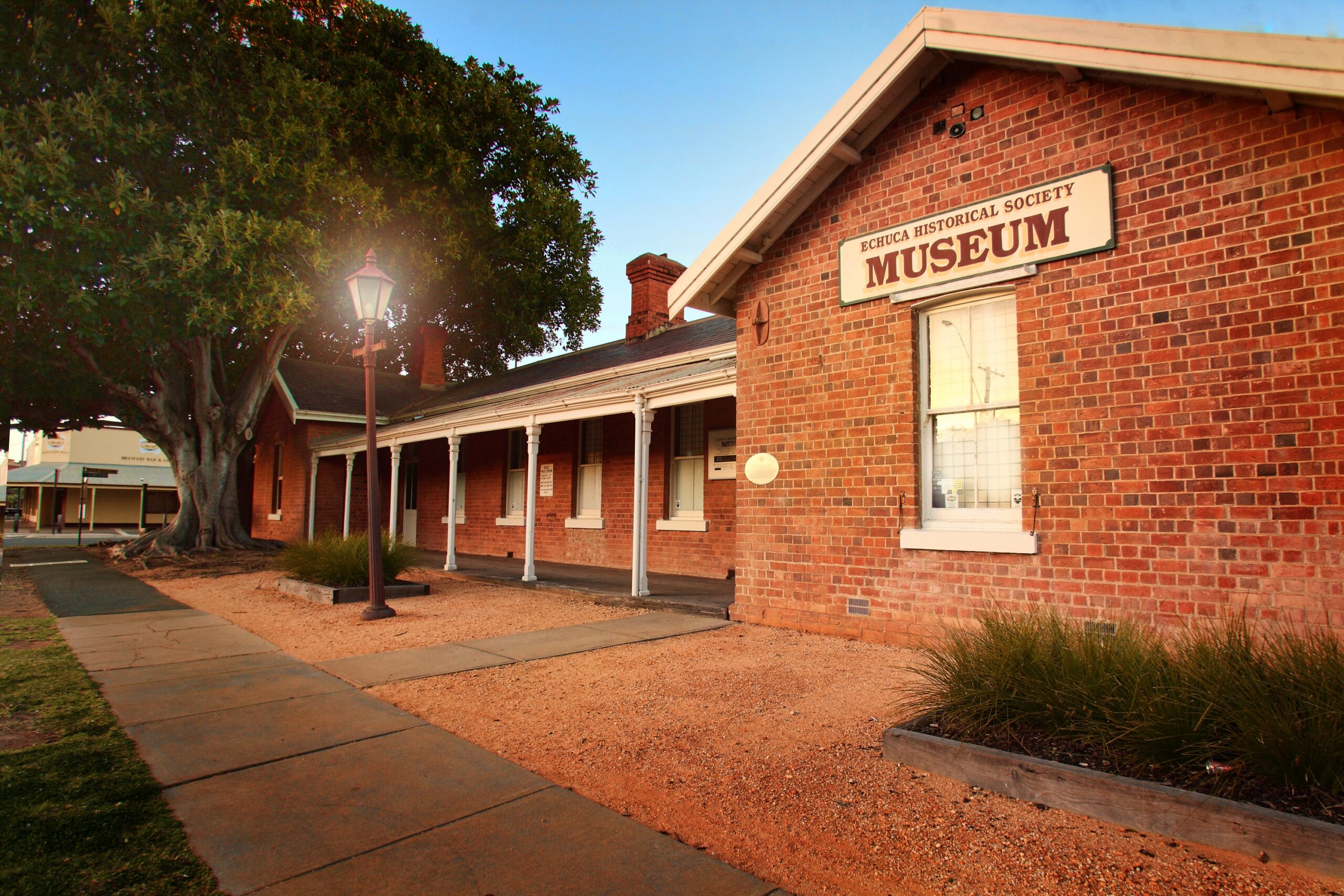
While the paddle steamer ride was interesting; I always enjoy being on and around rivers, I was also glad that I took some time to explore the Echuca Historical Museum, run by the Echuca Historical Society.

There are galleries of some of the many paddle steamers and their captains, pictures of the founding fathers and the key moments, so often floods, that characterised Echuca’s history as well as bullock drays, steam engines and intriguing human artefacts from the town’s history.

But what interested me most was the river maps that were on display. Paddle steamer captains all had their own hand-drawn maps of the river, which always needed updating as navigation in the river changed after floods or trees that blocked the river in some cases.

One of the maps on display was constructed in a long scroll, with two handles so that the captain could roll the map through to match where he was on the river and what he should be looking out for. It reminded me of Kerouac’s continuous sheet of paper that he used in writing On the Road. The maps are intricately drawn, with fine annotations of depth, obstacles and images of landmarks like houses, large trees, or hills to help orientate the captain.

They are also quite beautiful in their form and function.

OLYMPUS DIGITAL CAMERA